
Instant Check Availability Here
Corbett National Park Visit

Corbett National Park Visit: Experience thrilling wildlife safaris, lush forests, river landscapes, and a peaceful nature escape perfect for adventure and relaxation.
A visit to Corbett National Park is an unforgettable journey into one of India’s most celebrated wildlife destinations. Nestled in the foothills of the Himalayas in Uttarakhand, the park offers a rare blend of adventure, natural beauty, and tranquility. Known as India’s oldest national park, Corbett is renowned for its rich biodiversity, dense sal forests, rolling grasslands, and the meandering Ramganga River that adds life and charm to the landscape.
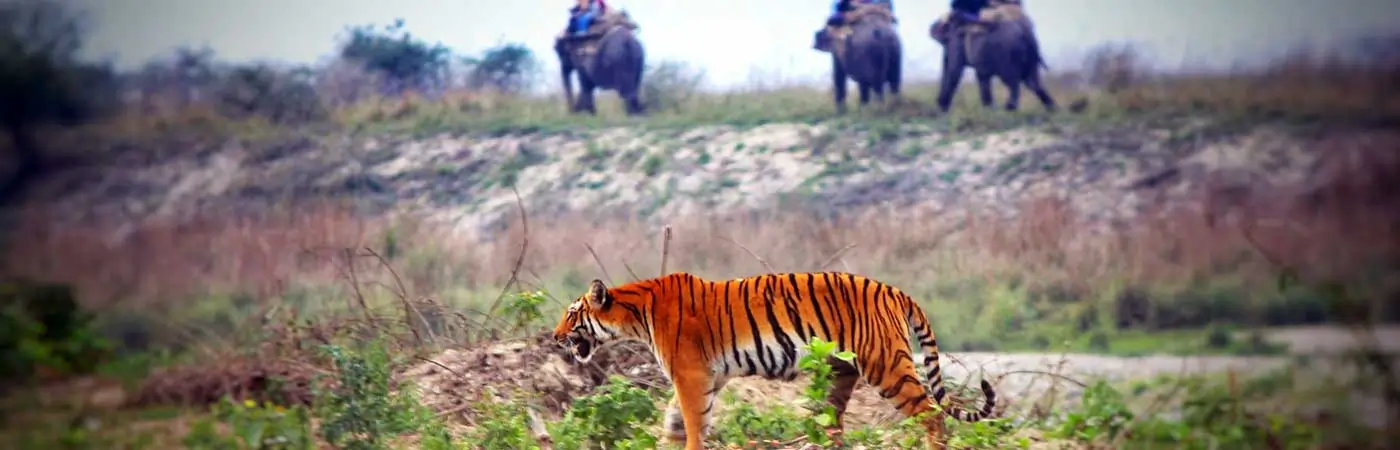
The highlight of any Corbett National Park visit is the exhilarating wildlife safari. Exploring the park in an open jeep or canter gives visitors the chance to witness nature in its purest form. Corbett is famous for being home to the majestic Bengal tiger, and while tiger sightings are a matter of luck, the thrill of tracking signs and moving through tiger territory is unmatched. Along the way, visitors can also spot elephants, deer species such as chital and sambar, wild boars, sloth bears, leopards, and a wide variety of reptiles and smaller mammals.
Beyond mammals, Corbett is a paradise for bird lovers. With over 600 species of resident and migratory birds, the park offers endless opportunities for birdwatching and photography. Early morning safaris are especially rewarding, as the forest comes alive with birdsong and movement. From vibrant kingfishers and majestic eagles to colorful woodpeckers and hornbills, the avian diversity adds another layer of excitement to the visit.
The natural landscapes of Corbett are equally captivating. Lush forests stretch across hills and valleys, creating scenic views that change with the seasons. The Ramganga River, flowing through the park, supports a rich ecosystem and offers breathtaking riverbank vistas. During quieter moments, visitors can simply soak in the calm surroundings, listen to the sounds of the forest, and enjoy the fresh mountain air. This peaceful environment makes Corbett an ideal destination for those looking to disconnect from city life and reconnect with nature.
Corbett National Park also offers opportunities beyond safaris. Nature walks, guided treks in buffer zones, and visits to nearby attractions like Garjia Temple or Corbett Museum add cultural and spiritual depth to the trip. Many resorts around the park focus on eco-friendly stays, allowing guests to enjoy comfort while staying close to nature. Evenings spent around a bonfire or under a starlit sky enhance the overall experience.
Whether you are an adventure enthusiast, a wildlife photographer, a family traveler, or someone seeking relaxation, Corbett has something to offer. The balance between thrilling exploration and peaceful retreat makes it a versatile destination. A visit to Corbett National Park is not just a holiday—it is an immersive experience that leaves you with lasting memories, a deeper appreciation for wildlife conservation, and a renewed sense of calm and wonder inspired by the natural world.
Corbett National Park Visit Zone
Bijrani Safari Zone
Bijrani Safari Zone is one of the most popular zones of Corbett National Park, known for dense forests, open grasslands, rich wildlife, and excellent chances to spot deer, elephants, birds, and the majestic Bengal tiger.
Read MoreJhirna Safari Zone
Jhirna Safari Zone is a popular part of Corbett National Park, open year-round and known for its dry deciduous forests, grasslands, and frequent sightings of deer, wild boar, sloth bears, birds, and occasional tigers.
Read MoreDhela Safari Zone
Dhela Safari Zone is one of the newest zones of Corbett National Park, known for its open grasslands, dense forests, rich birdlife, and good chances of spotting deer, elephants, reptiles, and other wildlife in a peaceful setting.
Read MoreDurga Devi Safari Zone
Durga Devi Safari Zone lies in the hilly northern part of Corbett National Park, known for scenic landscapes, dense forests, rocky streams, rich birdlife, and chances to spot elephants, leopards, deer, and other wildlife.
Read MoreGarjia Safari Zone
Garjia Safari Zone is a lesser-known area near Corbett National Park, offering peaceful forest drives, scenic surroundings, rich birdlife, and chances to spot deer, elephants, and other wildlife, ideal for nature lovers seeking a quiet safari experience.
Read MoreSitabani Forest Zone
Sitabani Forest Zone is a peaceful buffer area of Corbett, rich in mythological significance, dense forests, birdlife, and wildlife like deer, elephants, and leopards, offering jeep safaris and nature walks away from crowds.
Read MorePhato Safari Zone
Phato Safari Zone is an emerging forest area near Corbett National Park, known for its serene environment, dense sal forests, rich birdlife, and wildlife such as deer, elephants, and leopards, offering a calm and less crowded safari experience.
Read MoreDhikala Safari Zone
Dhikala Safari Zone is the most famous zone of Corbett National Park, known for vast grasslands, Ramganga River views, rich wildlife, and excellent chances to spot tigers, elephants, deer, and a wide variety of birds.
Read MoreHathi Dagar Safari Zone
Hathi Dagar Safari Zone is a quiet and less-explored area near Corbett National Park, known for dense forests, natural elephant corridors, rich birdlife, and sightings of deer, elephants, and other wildlife in a peaceful setting.
Read MoreBhandarpani Safari Zone
Bhandarpani Safari Zone is a serene forest area near Corbett National Park, known for dense sal forests, natural streams, rich birdlife, and wildlife such as deer, elephants, leopards, and other species, offering a calm and offbeat safari experience.
Read MoreHow to Reach Jim Corbett National Park
Jim Corbett National Park, located in the Nainital district of Uttarakhand, is well-connected by road, rail, and air, making it accessible from major cities across India.
By Road: The most convenient way to reach Corbett is by road. Ramnagar, the nearest town and park entry point, is about 250 km from Delhi and can be reached in 5-6 hours via NH9. Regular buses run from Delhi, Haldwani, Moradabad, and Nainital to Ramnagar. Private taxis and self-drive options are also popular for flexibility.
By Train: Ramnagar Railway Station is the closest railhead, just 12 km from the park. Direct trains like the Ranikhet Express and Corbett Link Express connect Ramnagar to Delhi and other northern cities. From the station, taxis and autos are readily available to reach various park gates and resorts.
By Air: The nearest airport is Pantnagar Airport, around 80 km from Corbett. It offers limited flights from Delhi. From Pantnagar, you can hire a taxi to reach Ramnagar. Alternatively, the Jolly Grant Airport in Dehradun (approx. 150 km) is another option, with more flight availability.
Advance safari bookings and accommodation planning are recommended, especially in peak seasons.
Perfect Time to Visit Jim Corbett National Park
Jim Corbett National Park can be visited throughout the year, but the best time depends on your interests—wildlife sightings, birdwatching, or enjoying the natural beauty. The ideal time for most visitors is from November to June, when the weather is pleasant, and most safari zones are open.
Winter (November to February) is considered the best season for wildlife safaris. The weather remains cool and crisp, making it perfect for spotting tigers, elephants, and other animals near water sources. Birdwatchers especially enjoy this time, as migratory birds flock to the park.
Summer (March to June) offers higher chances of tiger sightings as animals gather near water bodies. Though daytime temperatures can soar up to 40°C, early morning and evening safaris remain comfortable and rewarding for wildlife photography.
Monsoon (July to mid-November) sees heavy rainfall, and many core zones like Dhikala and Bijrani remain closed due to safety concerns and muddy tracks. However, zones like Jhirna and Dhela remain open year-round. The lush greenery during this season offers a unique jungle experience, but animal sightings are less frequent.
For the full experience, plan between November and June, and book safaris well in advance during peak months.